
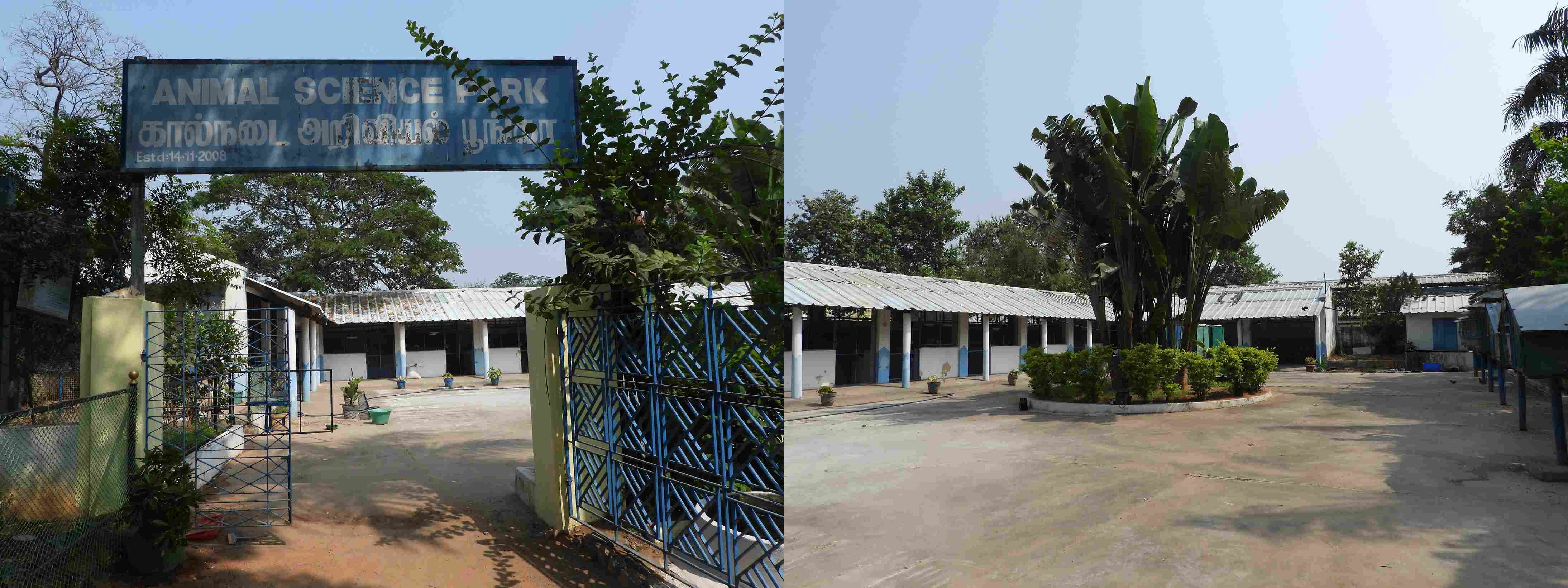
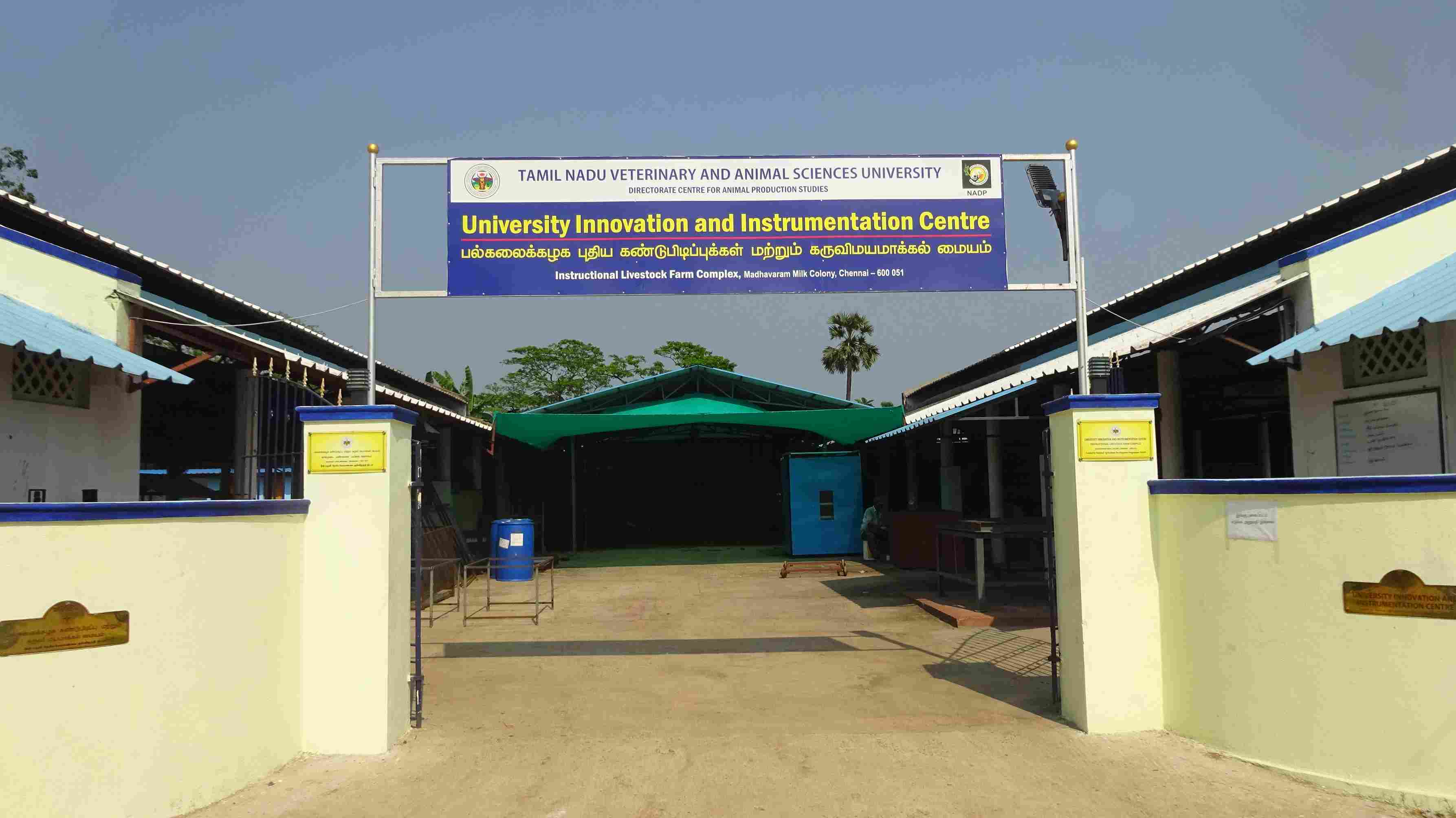
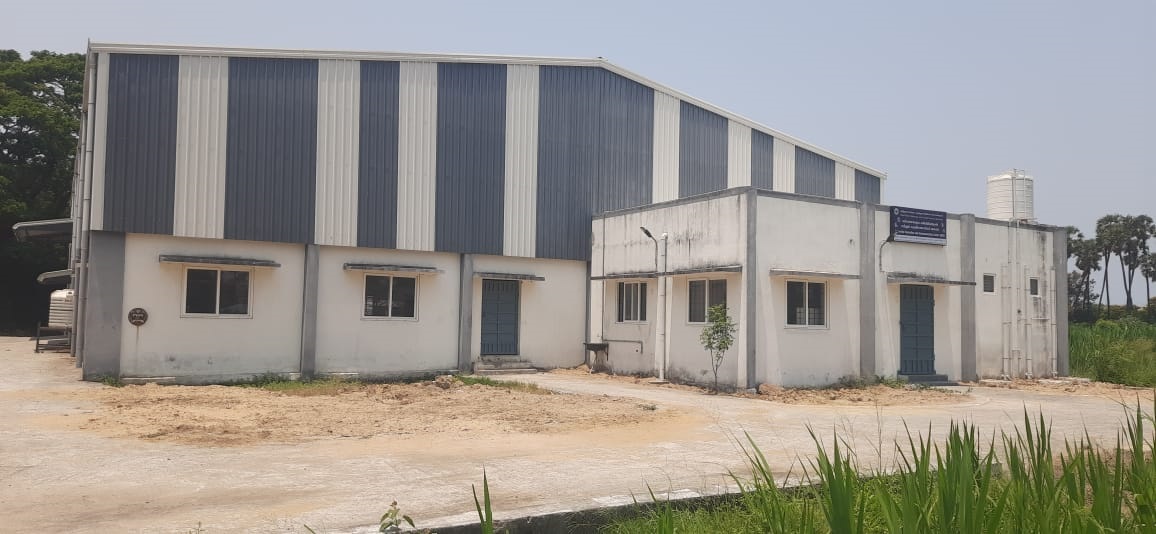
The Livestock Farm Complex (LFC), located at Madhavaram Milk Colony, Chennai (13.15° N, 80.24° E), is one of the constitute unit of the Directorate of Animal Production Studies, TANUVAS. Situated directly opposite the university's main administrative building, this 35-acre facility houses diverse livestock species, a fodder farm, an Animal Sciences Park, and the University Innovation and Instrumentation unit. The LFC serves as a primary practical hands on training on animal husbandry practices for undergraduate students from Madras Veterinary College, one month farm training for internship students from constituent colleges of TANUVAS and provides essential infrastructure for M.V.Sc. and Ph.D. research.
The facility originated in 1960 as a Government dairy farm established to supply milk to the public. Management was transferred to the Animal Husbandry Department on July 1, 1979. On March 1, 1991, TANUVAS took possession of the entire farm, designating the "6th unit" as the University Research Farm (URF). Over the following decades, the unit was transitioned to the Instructional Livestock Farm Complex (ILFC) and was officially renamed as Livestock Farm Complex (LFC) on May 25, 2018.
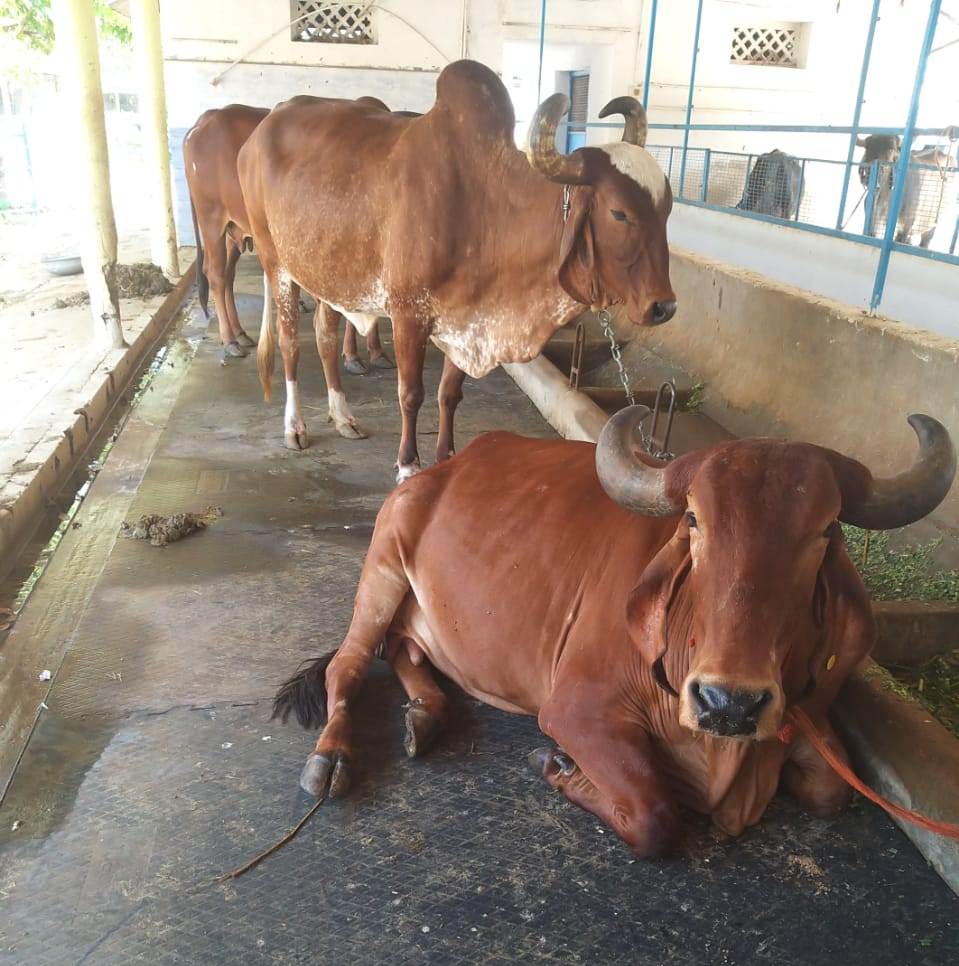
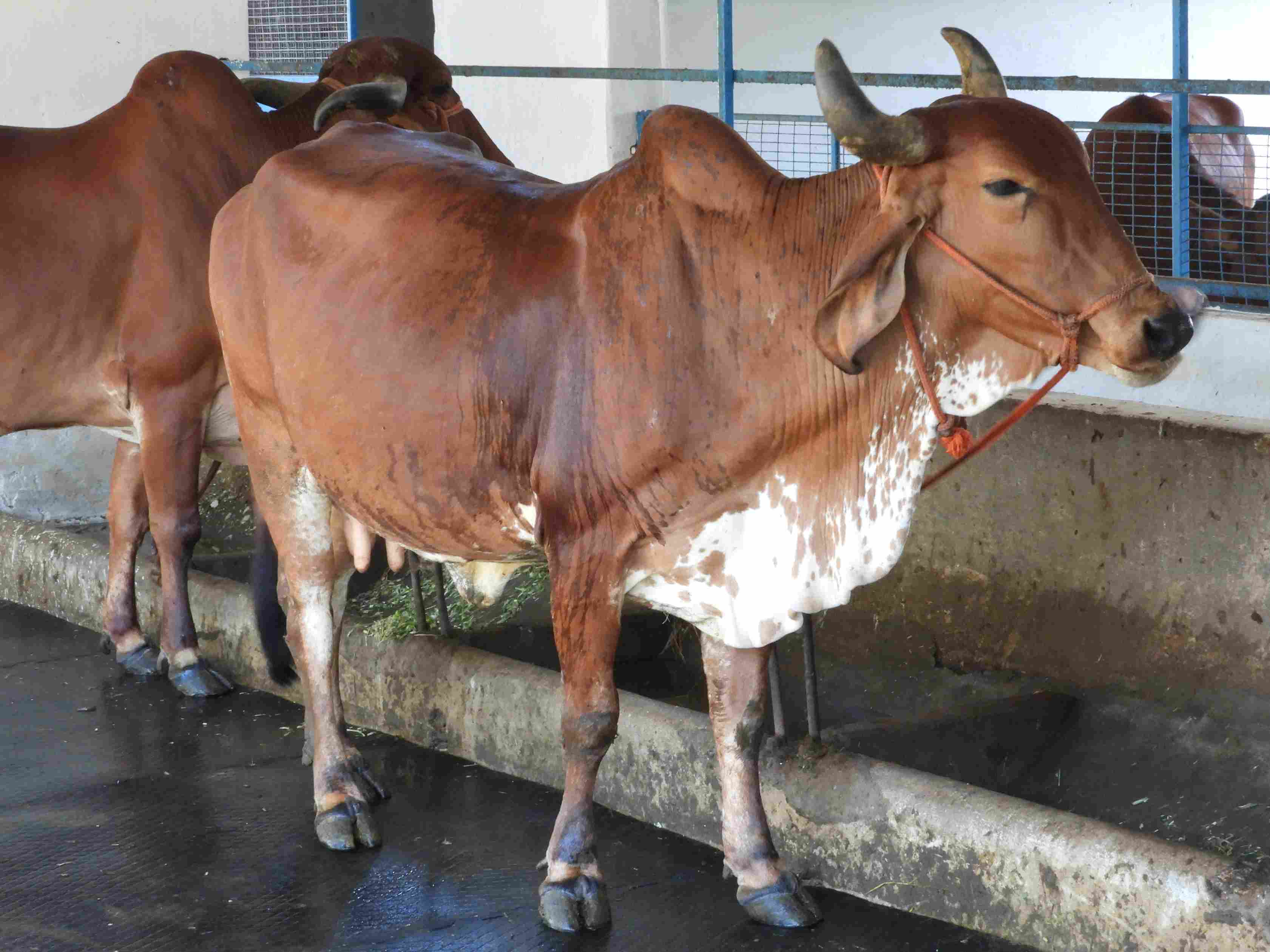
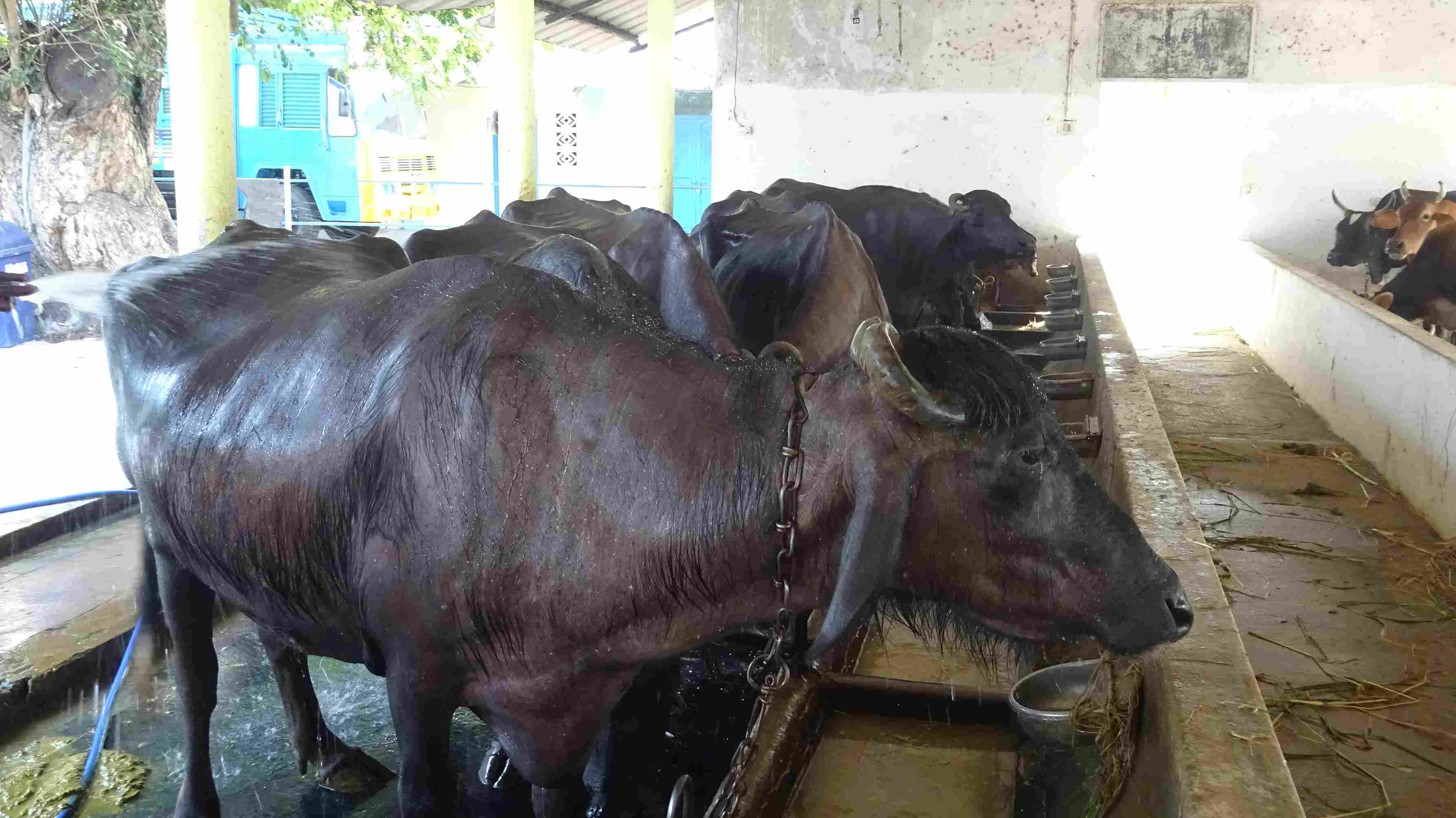
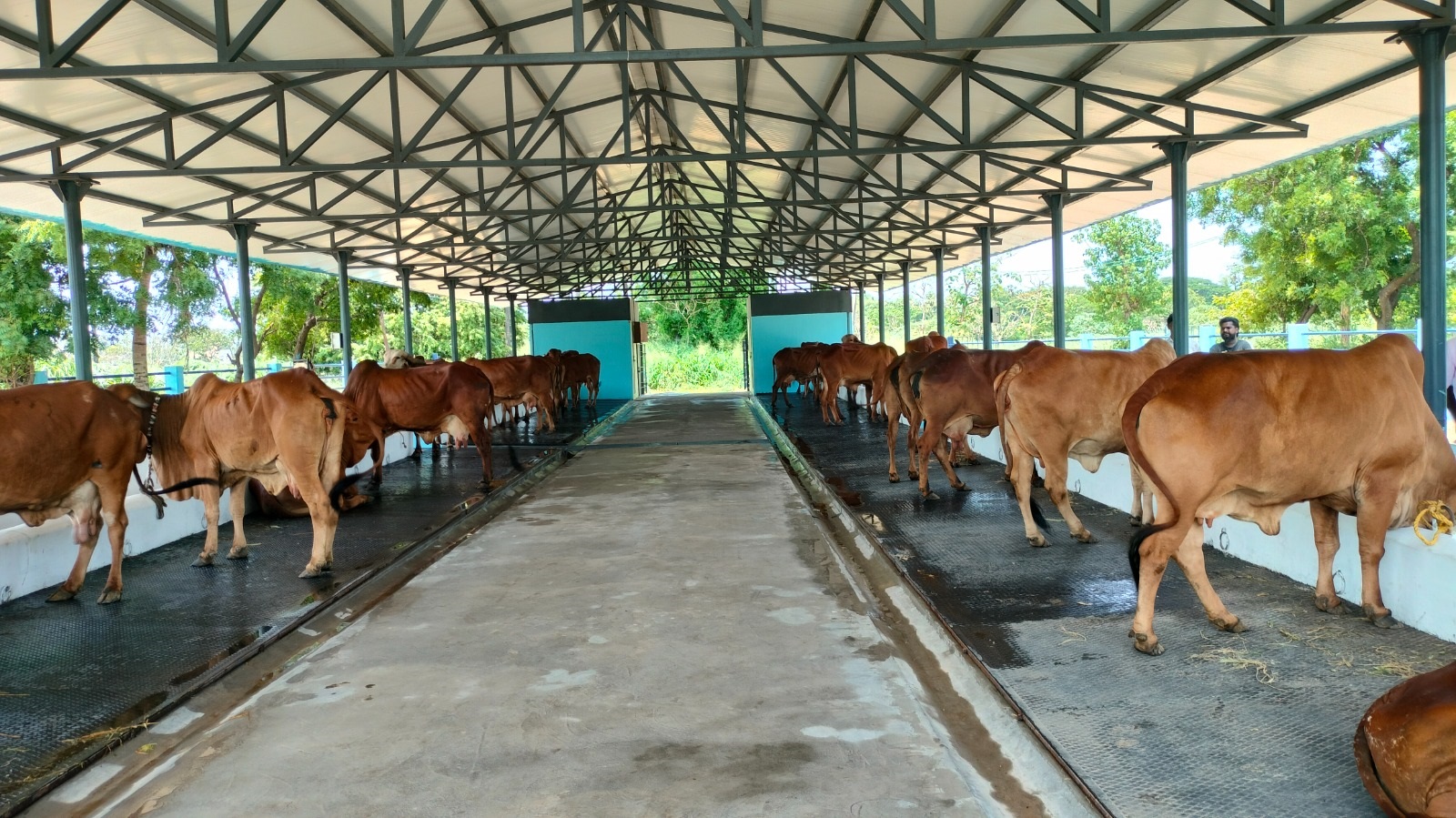


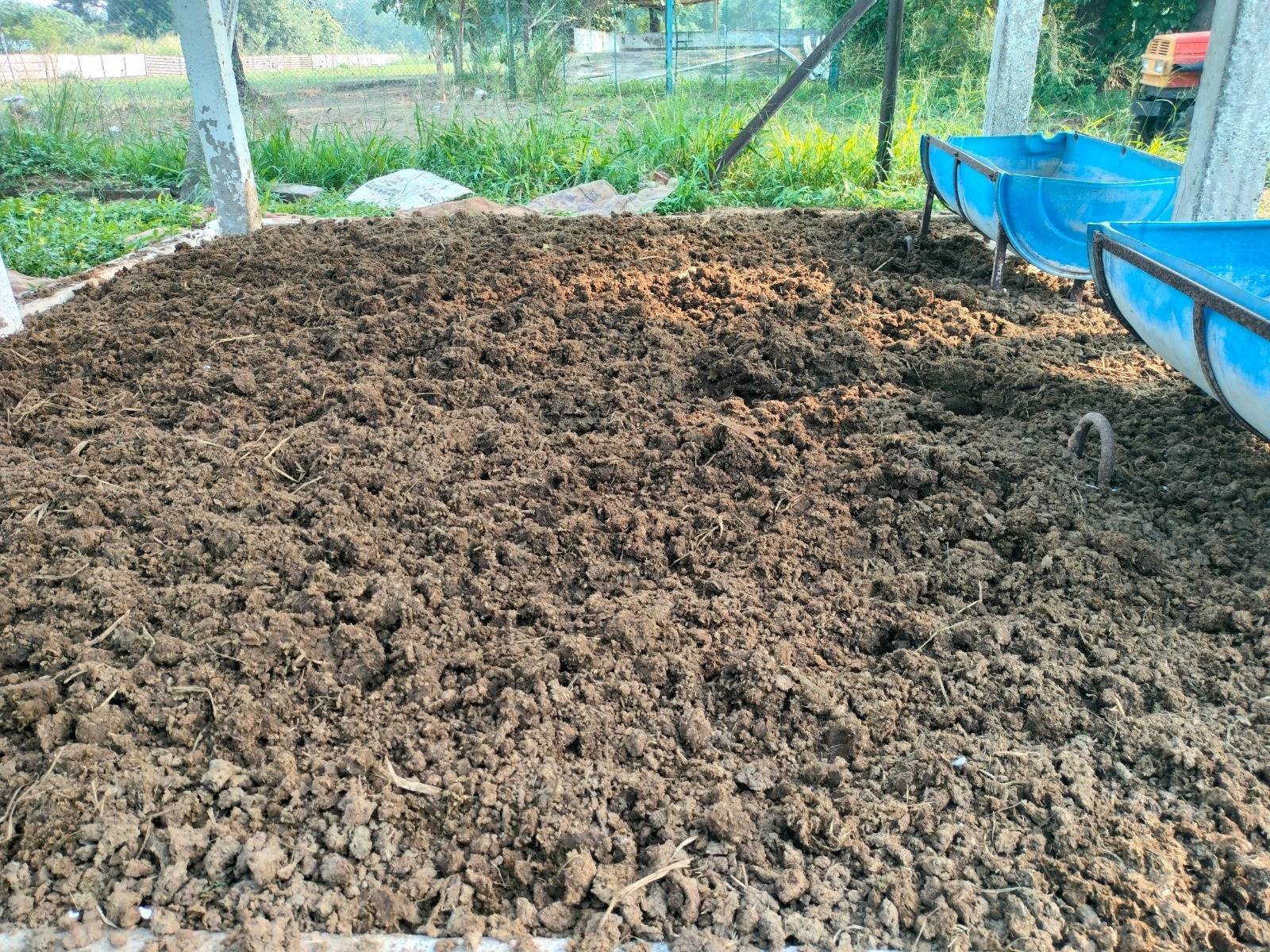
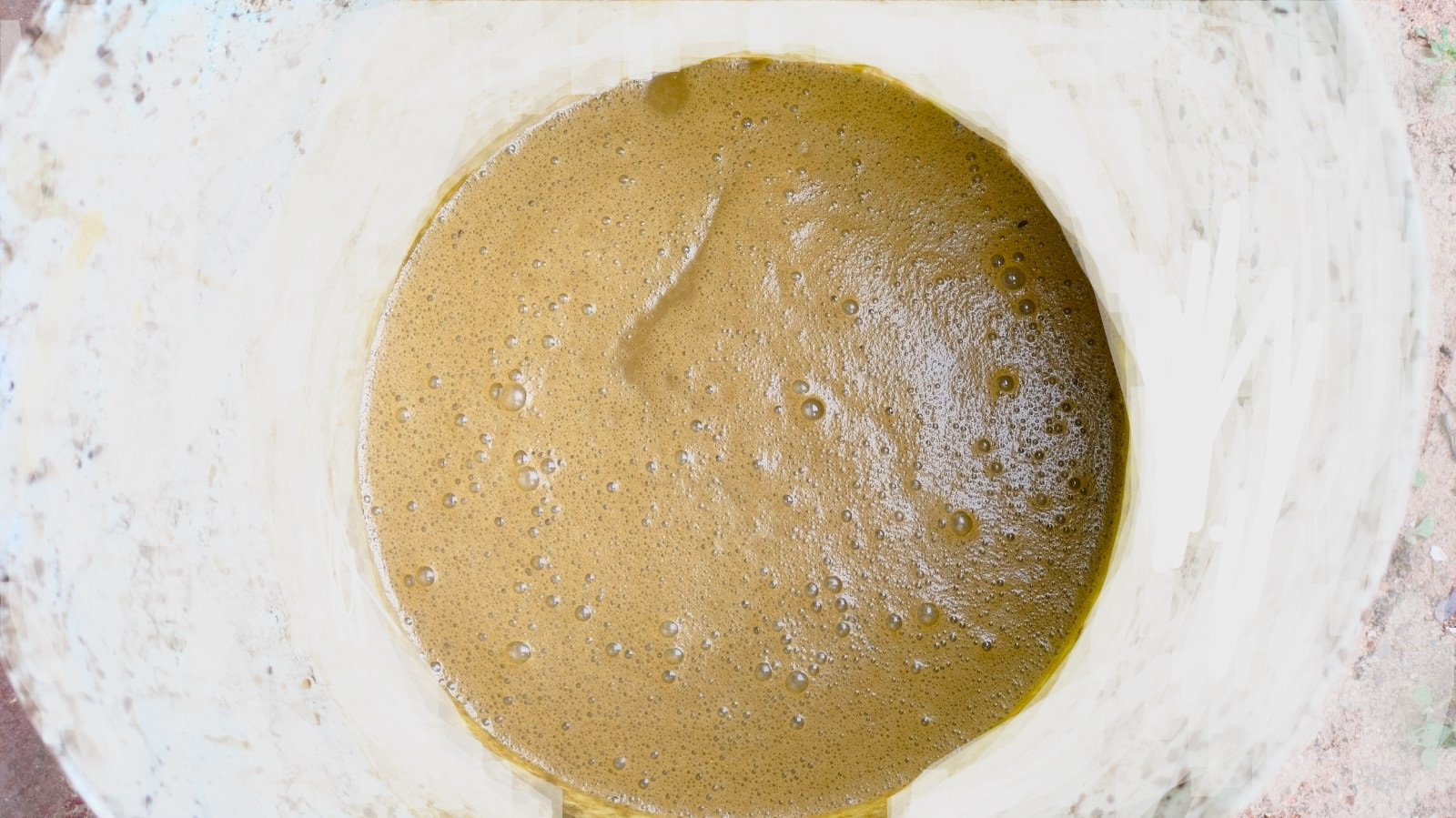
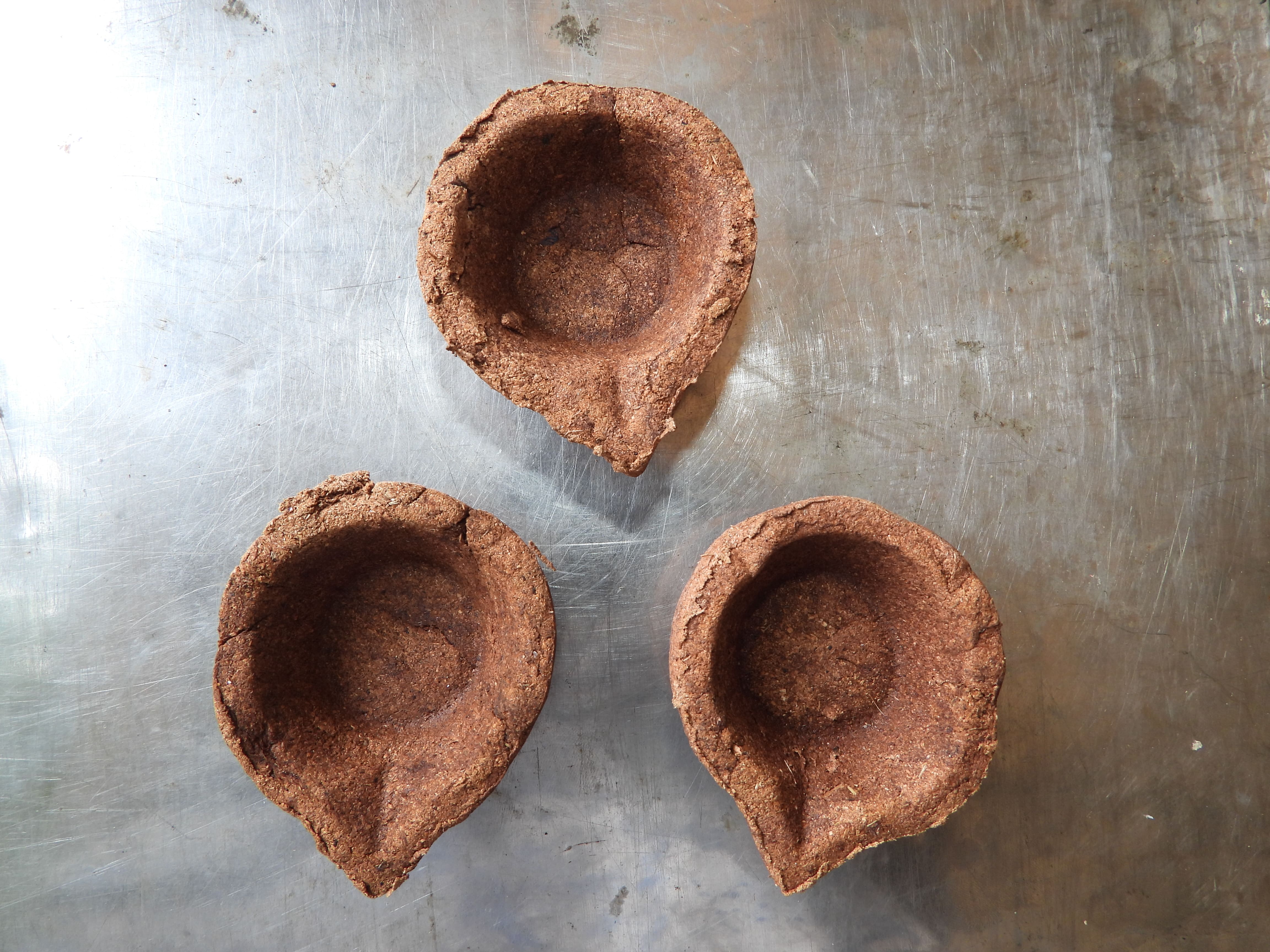
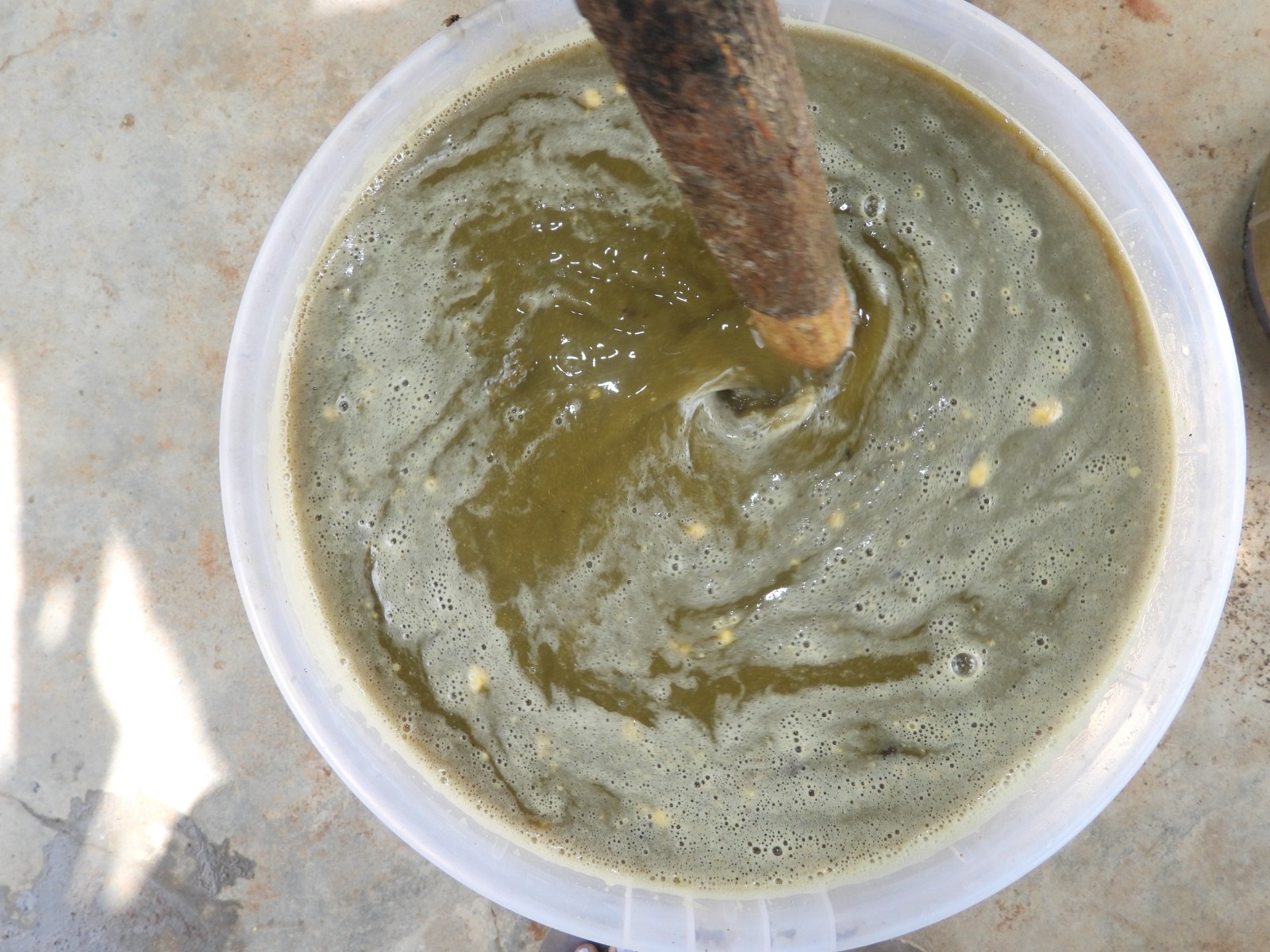
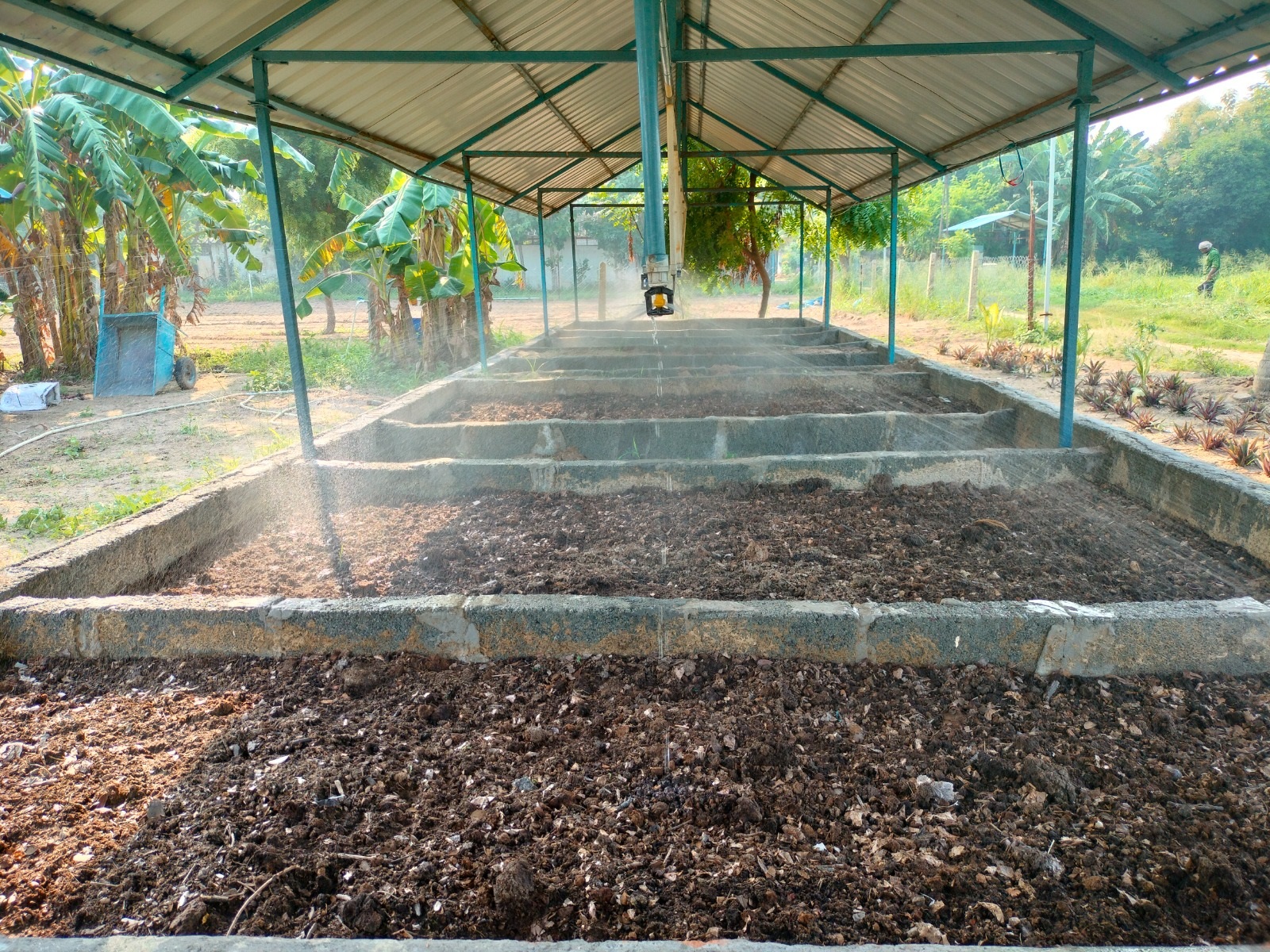
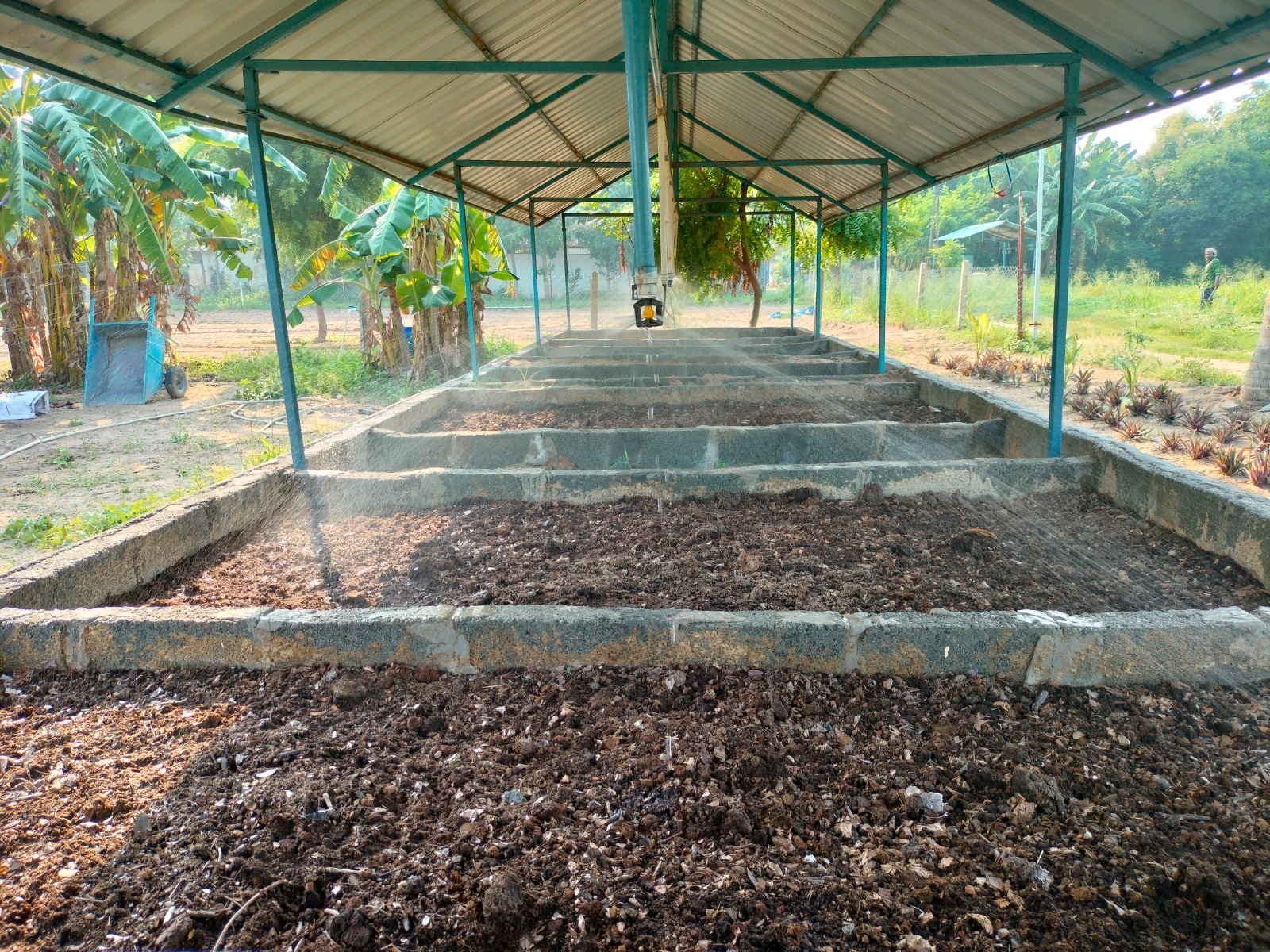
This unit maintains a diverse herd comprising Indigenous Cattle (Gir), Crossbred Jersey and Holstein cows and graded Murrah buffaloes. Milk produced on-site is distributed through direct public sales and to the dairy plant at Madras Veterinary College. Emphasizing sustainable resource management, the unit utilizes dung and manure for internal fodder production, while surplus is sold to local farmers. Furthermore, fresh dung is processed into high-value organic inputs—such as Vermicompost, Jeevamirutham, and Panchagavya—and utility items including Viboothi, Panchagavya lamps, incense sticks, and cow dung cakes, all marketed through the farm’s retail outlet.
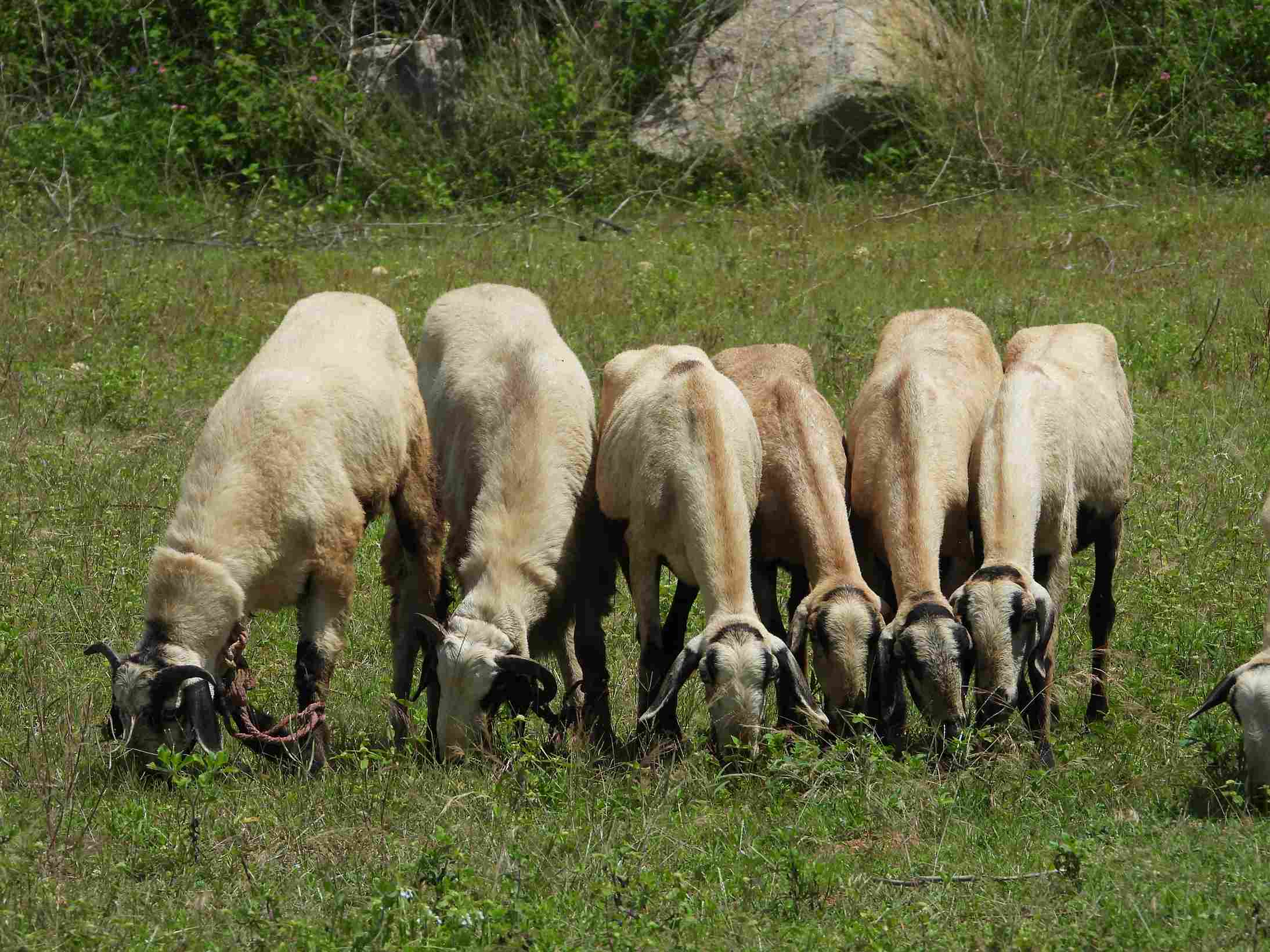
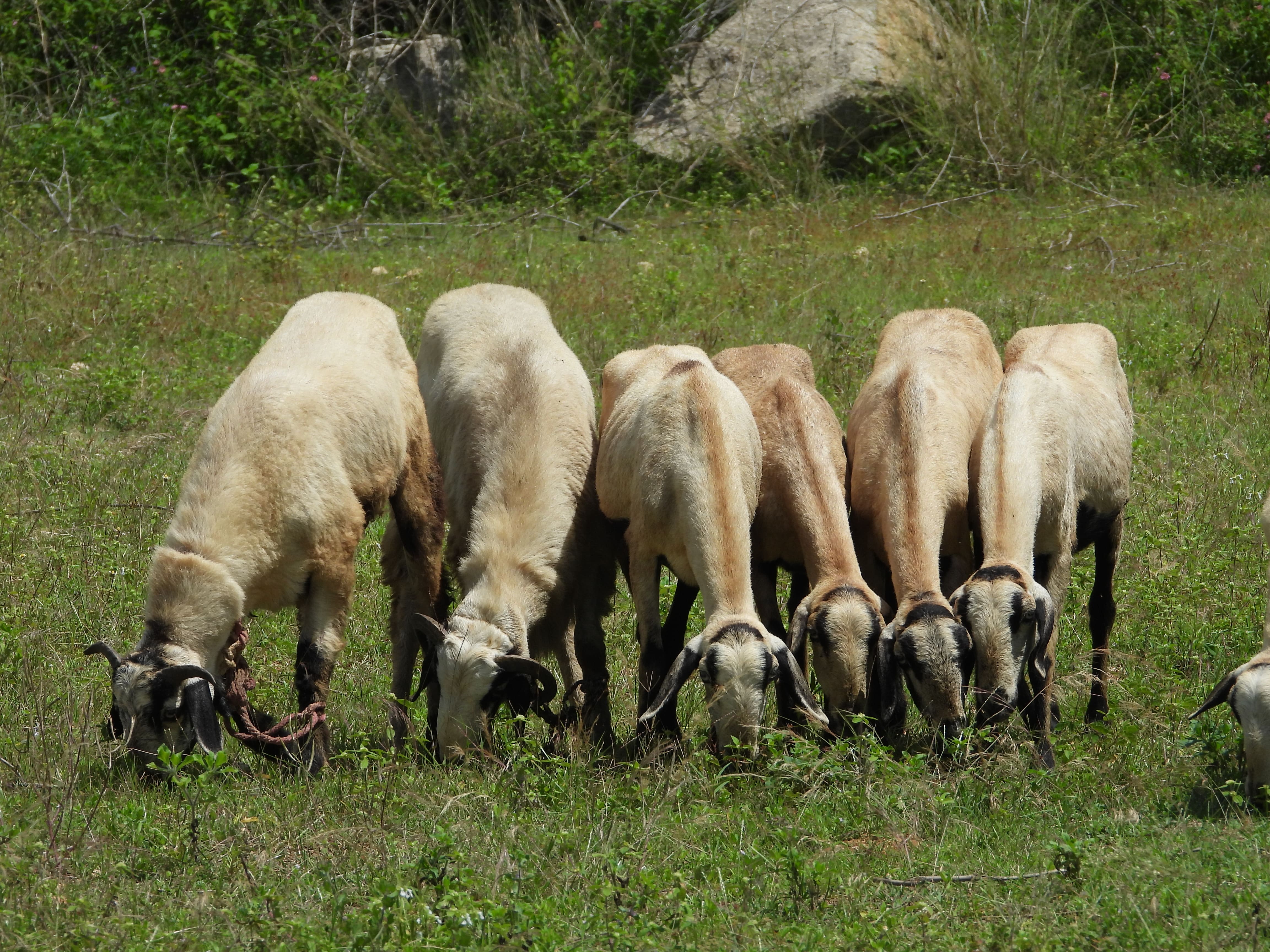
The unit maintains the Nellore sheep breed primarily for instructional and display purposes. As a distinct hair-type breed (rather than wool-type), the Nellore serves as an ideal model for teaching students’ key morphological differences between sheep breeds. Given their unique size and agility, these sheep provide excellent hands-on practice in safe animal restraint techniques. Furthermore, the breed allows students to master essential clinical skills including auscultation of the heart and lungs, taking rectal temperatures and performing hoof trimming. The progenies produced from the base population are distributed to farmers as breeding stock, while surplus stocks are reared and processed for slaughter, with the meat sold through the farm’s retail outlet.
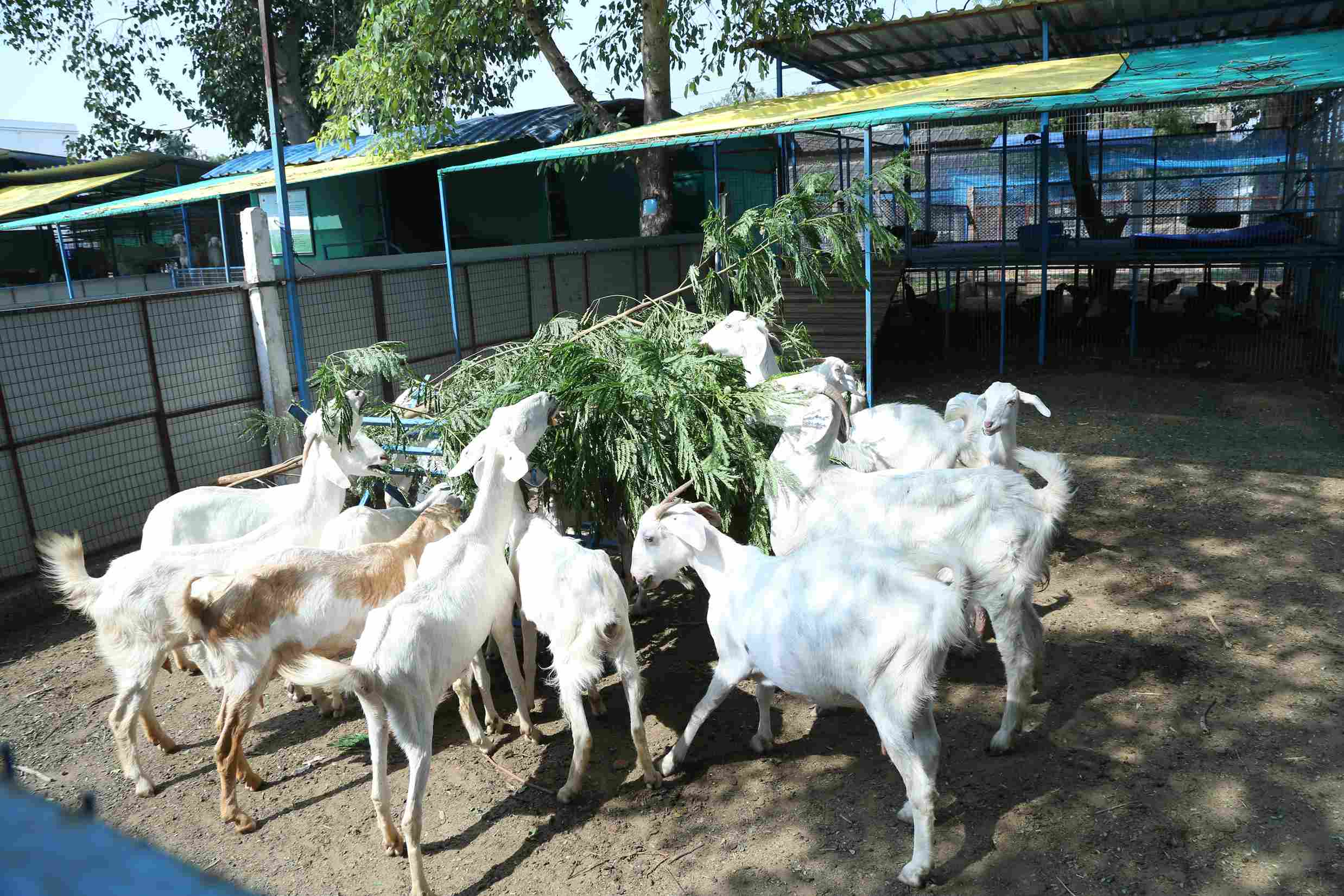
The unit maintains Tellicherry goat breed for instructional and display purposes. Renowned for their adaptability to diverse management systems, these goats serve as an ideal model for teaching "zero-grazing" or stall-fed intensification. Students gain practical insights into Total Mixed Rations (TMR) and the economic viability of stall-feeding, which is increasingly the standard in urban and peri-urban goat farming. Beyond its educational role, the unit facilitates research and provides quality stock for breeding, fattening, and slaughter to meet local demands.
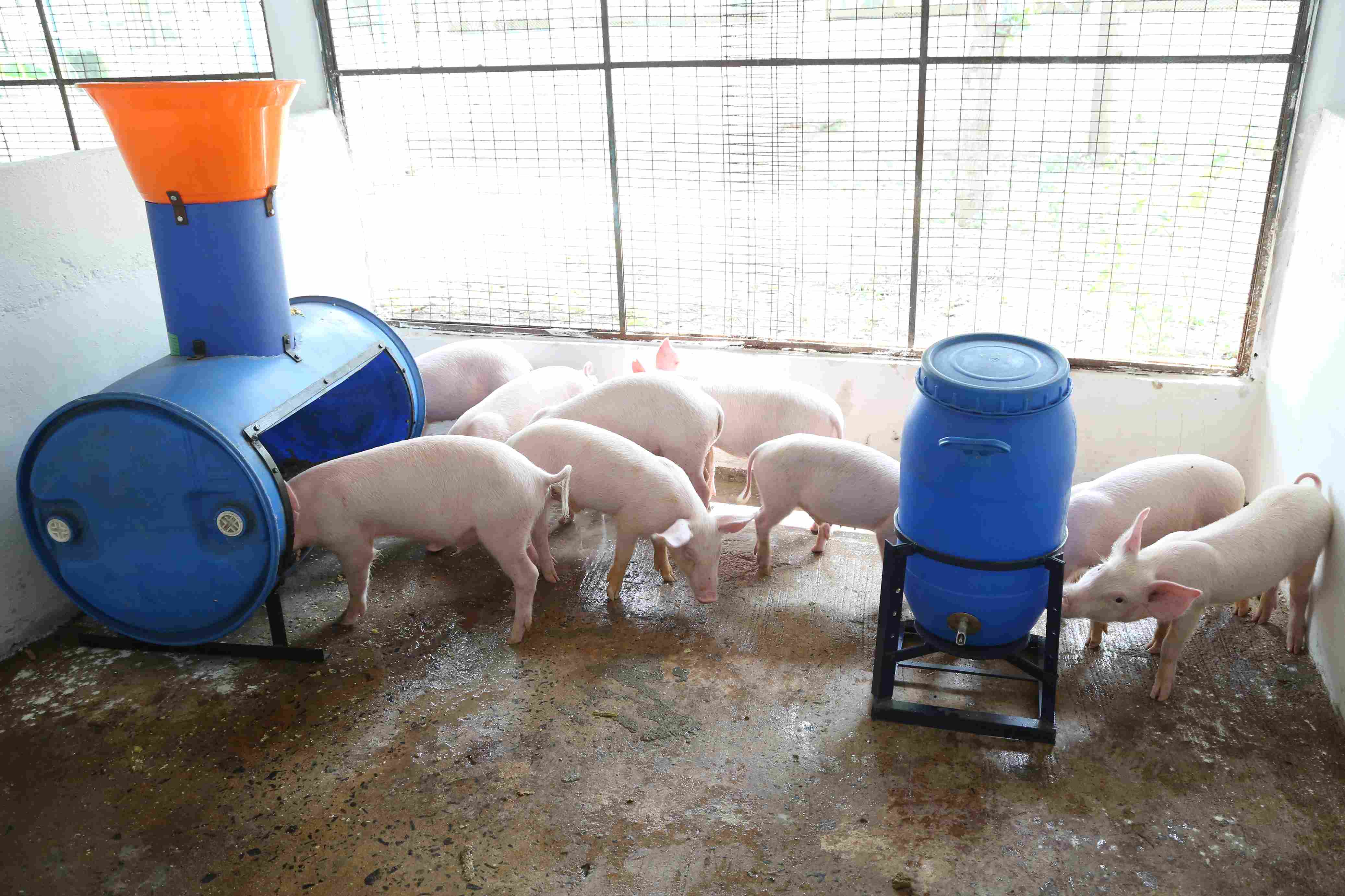
Maintaining a Large White Yorkshire (LWY) unit within the Livestock Farm Complex serves as a vital educational hub for undergraduate students. Known for its high prolificacy and rapid growth rates, this breed acts as a primary model for teaching modern intensive swine production. Students engage in hands-on learning through neonatal care and by analyzing the specific nutritional requirements including protein and energy levels across various life stages, such as creep, grower, finisher and breeder rations. Beyond its academic role, the unit supports the farming community by supplying quality LWY piglets to farmers for both breeding and fattening purposes, bridging the gap between institutional research and rural livelihood.
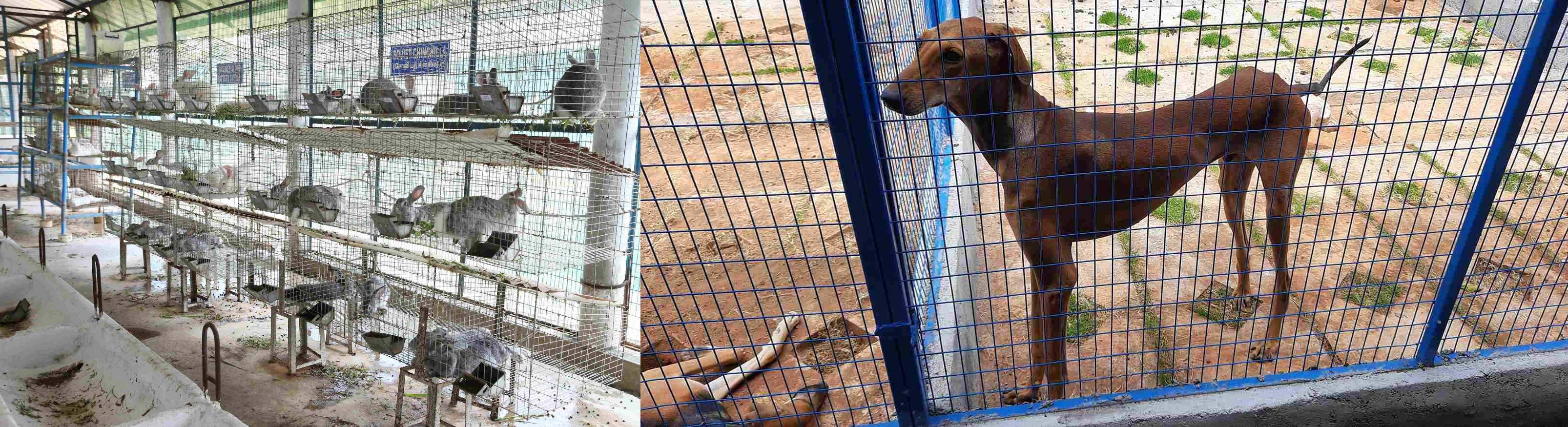
This unit maintains Soviet Chinchilla breed and it provides a specialized practical environment for undergraduate students to study cuniculture. As a versatile breed known for its rapid growth rate and meat production, it serves as an excellent biological model for teaching small-animal management. Beyond its academic role, the Soviet Chinchilla breed is sold to needy farmers for research, breeding, and fattening purposes, supporting both local livelihoods and further agricultural study.
This unit was established to promote public awareness of indigenous dog breeds—specifically the Rajapalayam, Chippiparai, Kanni, and Kombai. Beyond conservation, it serves as a vital practical training ground for undergraduate veterinary students, providing hands-on experience in canine breeding and kennel management. To further encourage the rearing of these native breeds, progenies produced from the base population are sold to the public and farmers on a cost-recovery basis.
This Animal Science Park features a diverse collection of avian species, including pet birds such as Cockatiels, Budgerigars, Finches, and several pigeon varieties like the Fantail, Owl, Belgium Color, King, and Beauty Homer. The poultry section showcases specialty breeds including Aseel, Cochin Bantam, Frizzle, Kadaknath, Nicobari Black, English Bantam, Australorp, Japanese Bantam, and Naked Neck chickens. Additionally, the unit houses ratites such as Emu. The Animal Science Park was envisioned as an educational hub, designed to inspire school children and the general public by showcasing the fascinating variety of animals, birds, reptiles, and fish.
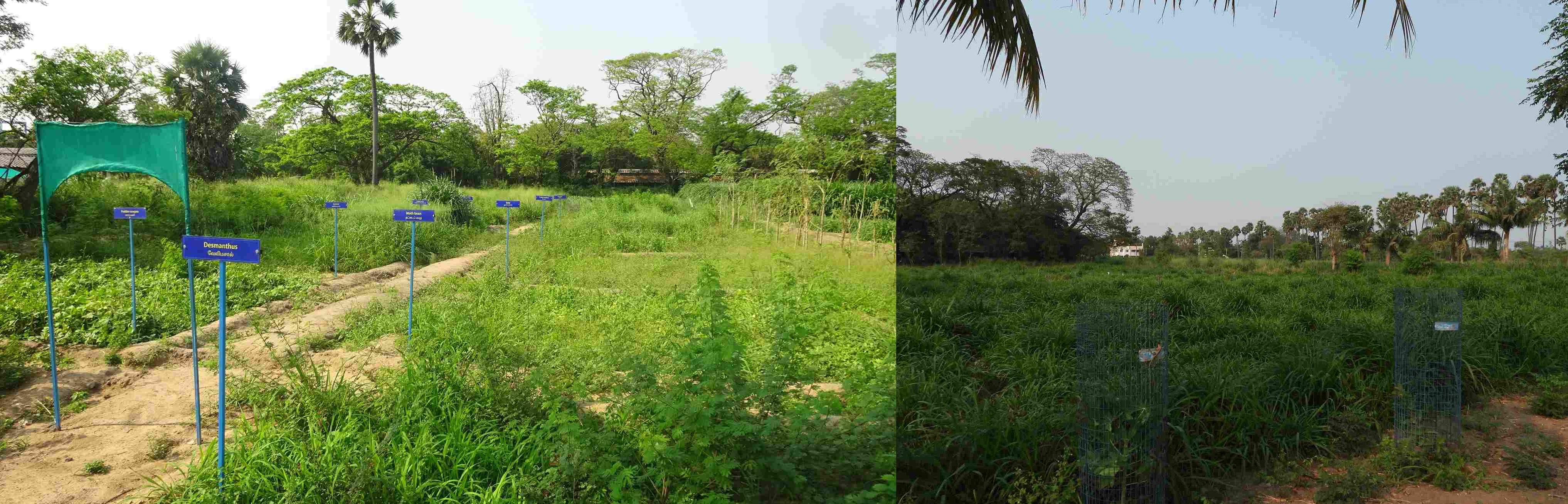
This unit is dedicated to the production of high-quality green fodder, including CO-3, CO-4, CO-5, and CO-6 varieties, as well as Desmanthus, Mulberry, and various tree fodders for the livestock at the LFC. Beyond meeting internal requirements, the unit supports the local agricultural community by providing green fodder and fodder slips for sale to livestock farmers and other stakeholders.
Established as a demonstration hub, this unit highlights the utility of Azolla as a sustainable feed supplement for livestock and poultry. By providing hands-on training and technical expertise, the center empowers farmers to set up their own small-scale units, effectively lowering their dependency on expensive commercial feeds.
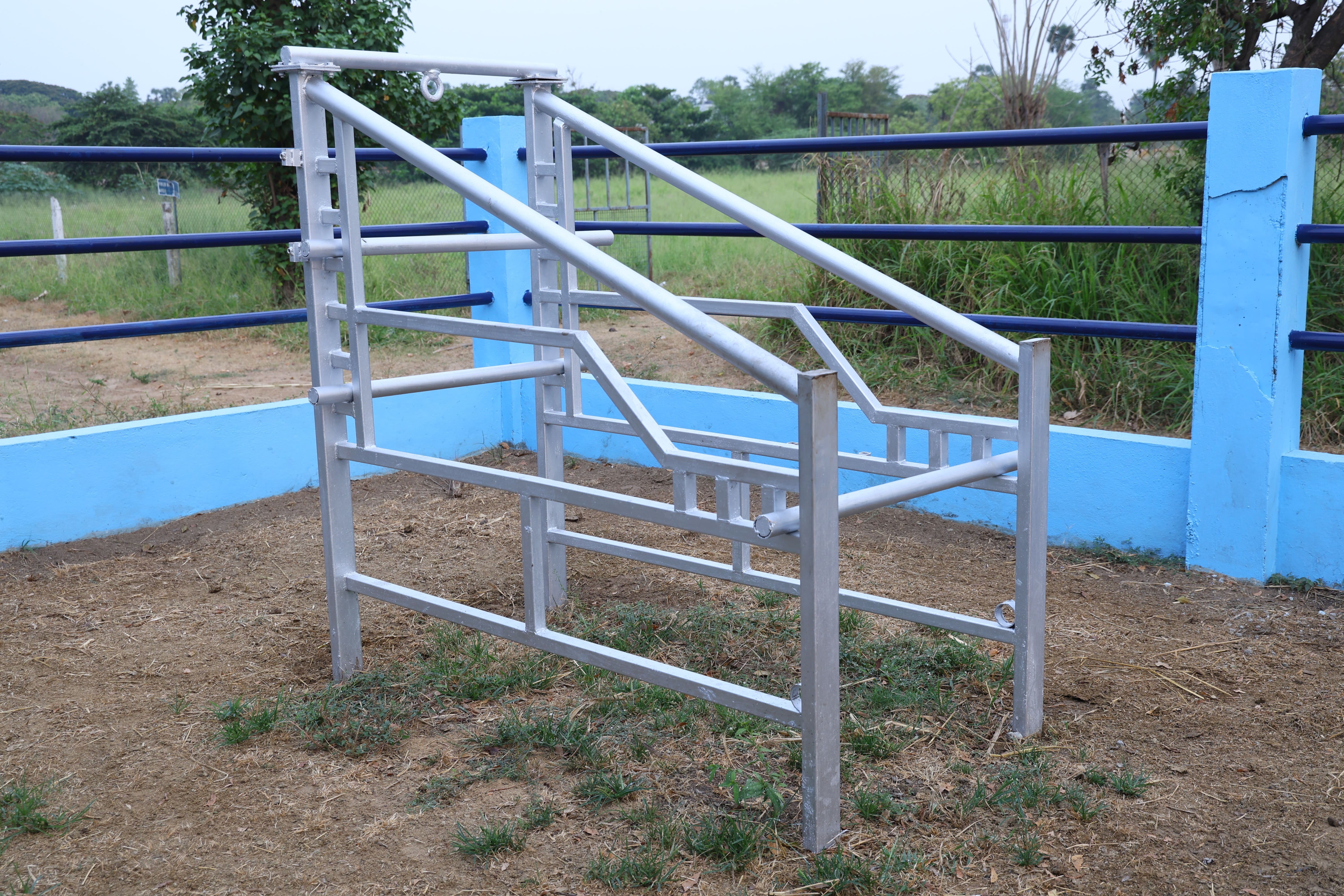
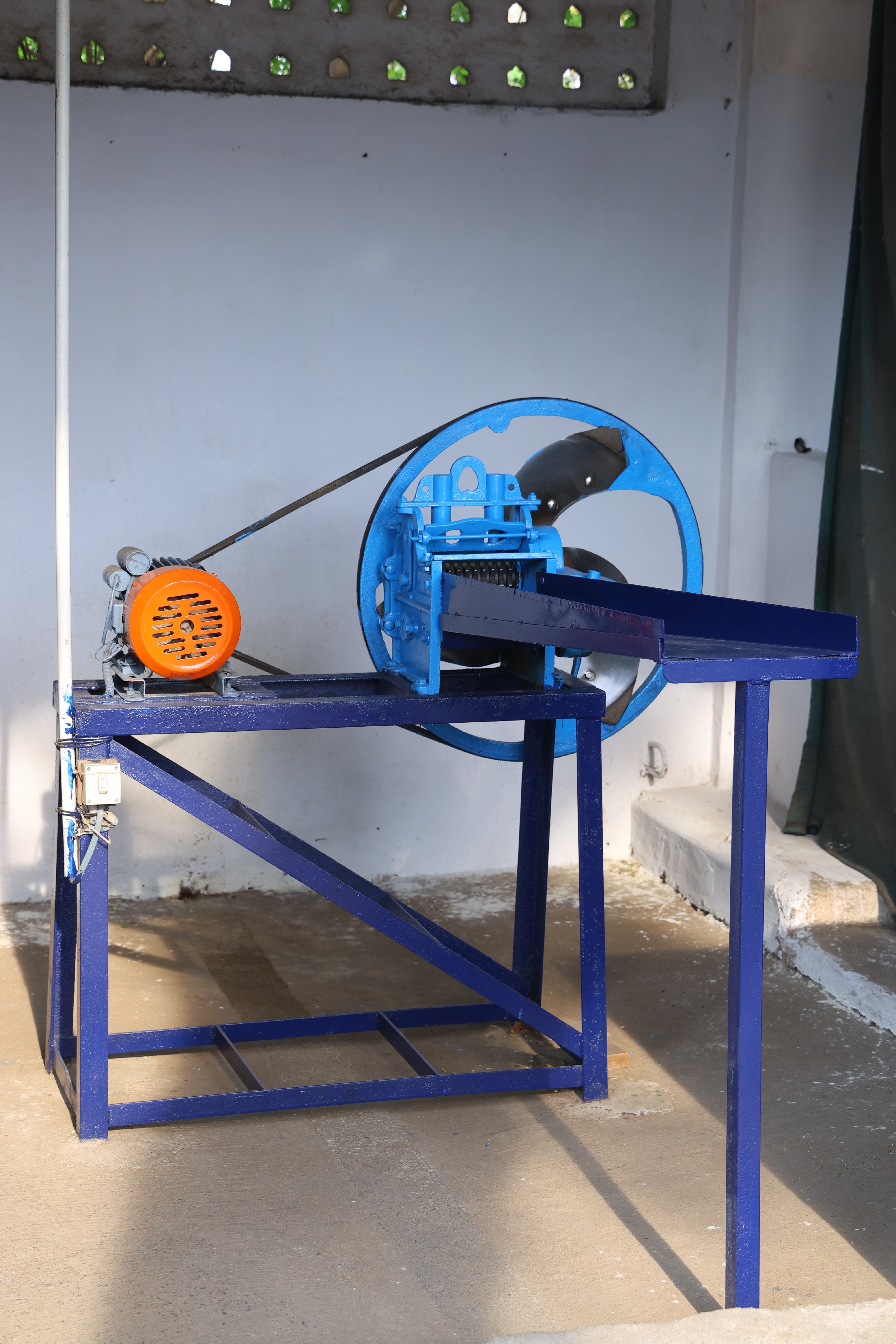
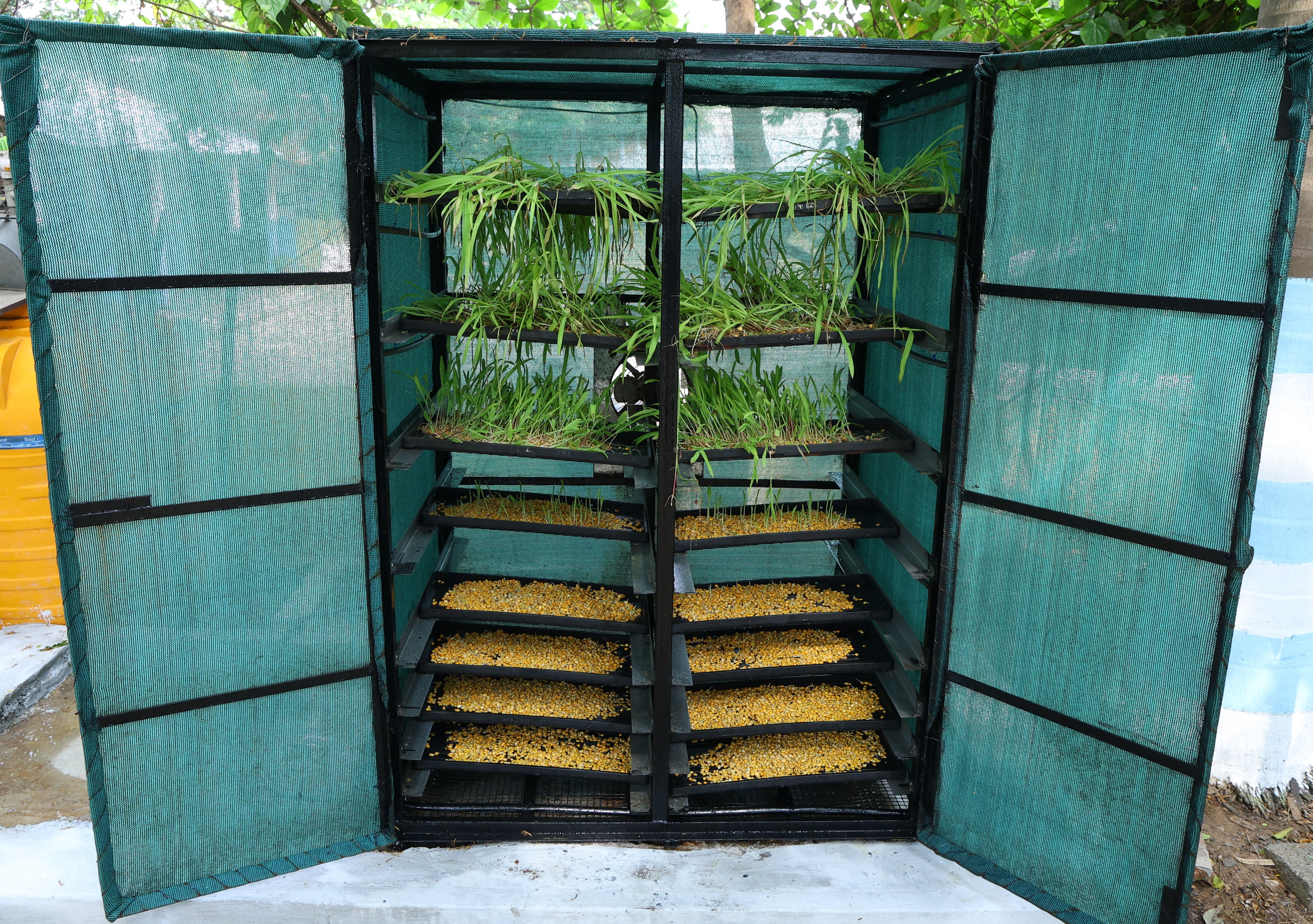
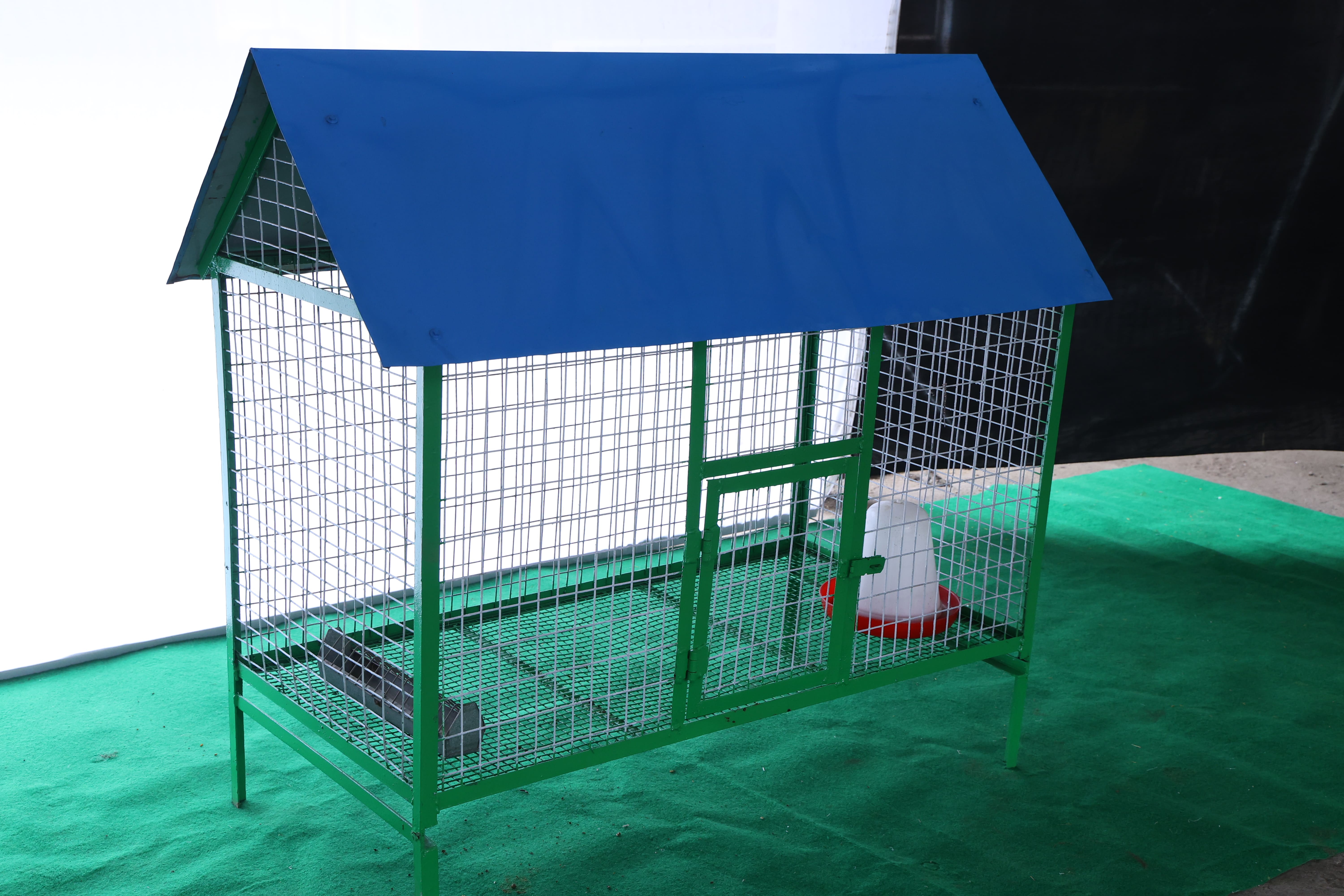
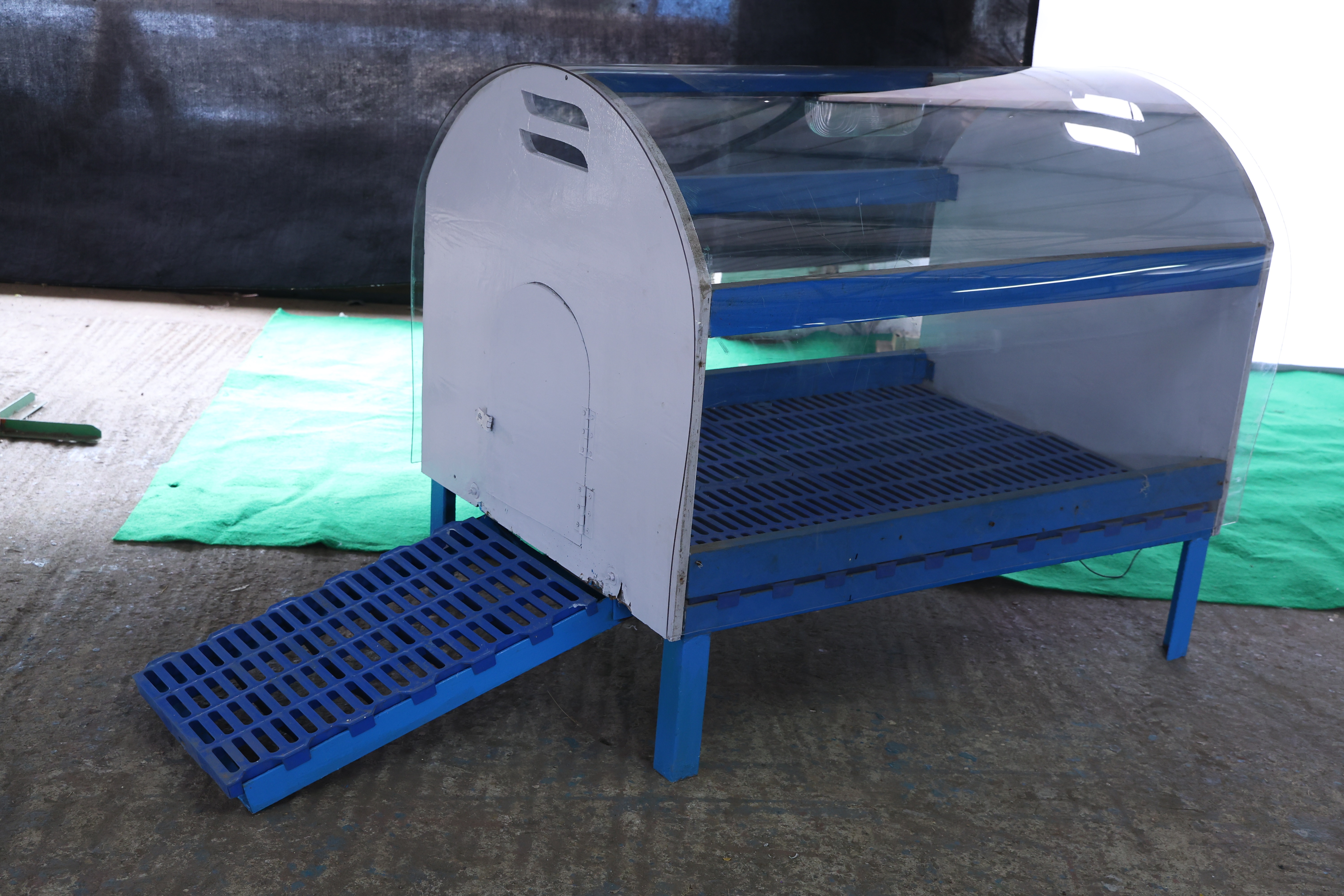
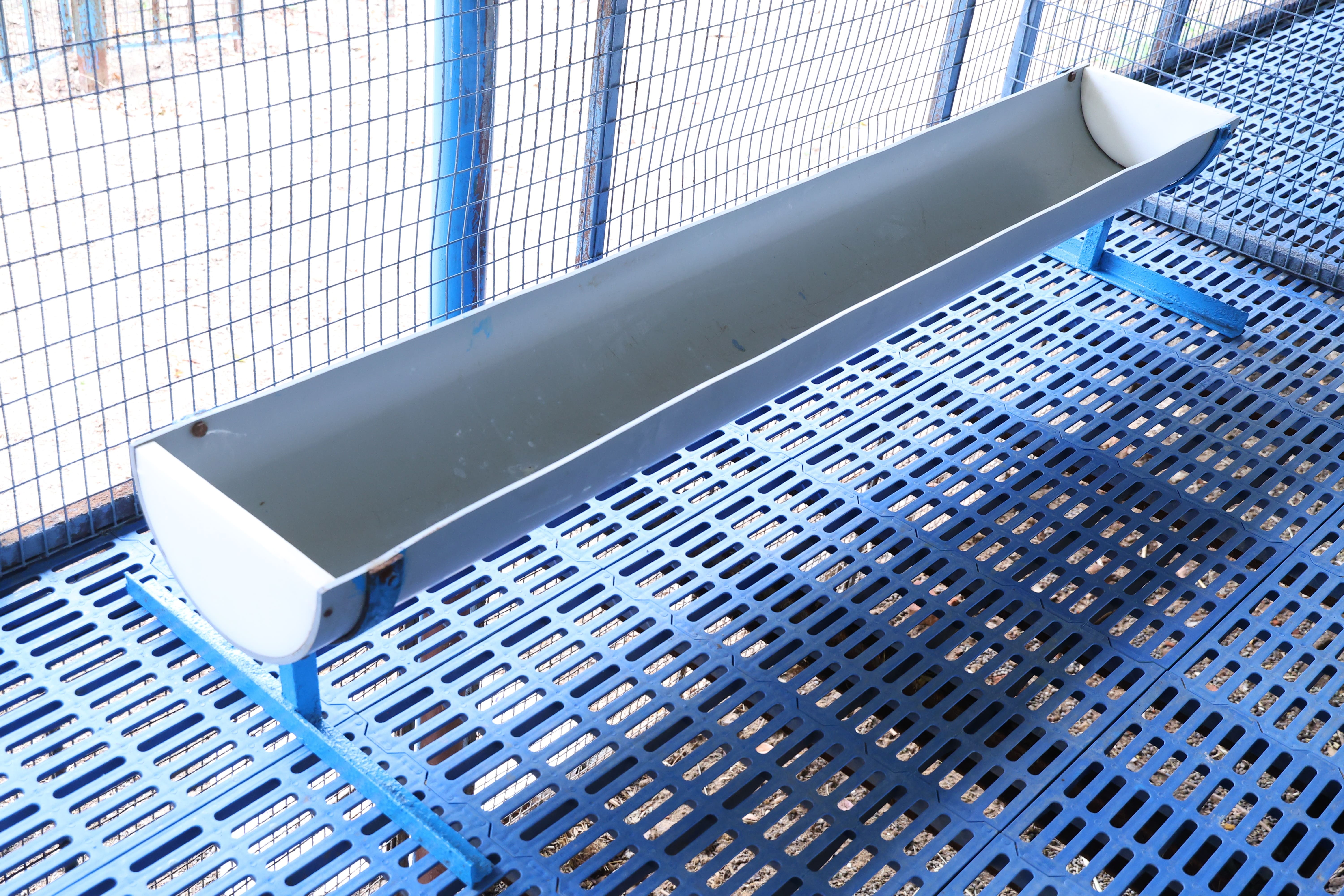
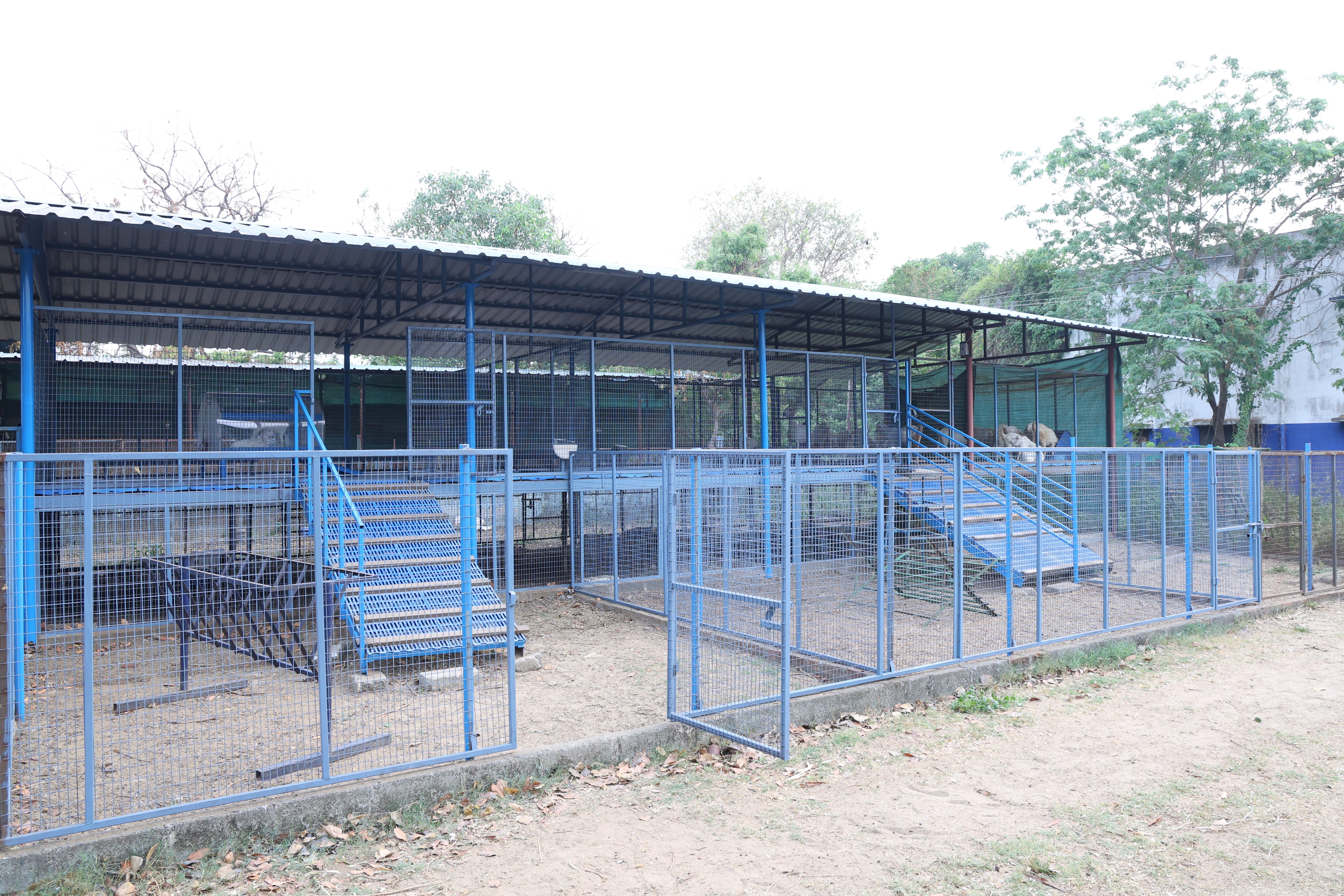
This unit is specialized in the design and fabrication of livestock farm implements, poultry equipments and slatted floor housing systems specifically tailored for sheep and goats. Our primary focus is bridging the gap between high-tech agricultural needs and cost-effective solutions for the modern and progressive farmer. The low-cost hydroponic device stands as a testament to our commitment to sustainable and affordable fodder production for small and landless farmers. This unit has successfully developed and delivered nearly 100 distinct instruments, serving both individual livestock farmers and various state government institutions. Every design is optimized to ensure its high-quality, durability and remains accessible to those who need it most.
In addition to the educational activities mentioned above, the following courses are being offered to livestock farmers and farm entrepreneurs:
| Name of the Faculty | Designation | Mobile# | |
|---|---|---|---|
| THENNARASU,A | PROFESSOR AND HEAD | arasuvet75@gmail.com | 9443686400 |
| GOPINATHAN,A | PROFESSOR | gopiabg@gmail.com | 9444723316 |
| SURESH KUMAR,K | PROFESSOR | drksuresh2000@gmail.com | 9443800730 |
| PANDIAN,C | PROFESSOR | chinnaduraipandian75@gmail.com | 9176054043 |
| GAYATHRI SUBBIAH | ASSOCIATE PROFESSOR | gayathrisubbiah@tanuvas.ac.in | 9442091883 |
| GANDHIMATHI,D | ASSISTANT PROFESSOR | drdgmathi@gmail.com | 9944869020 |
| RACHEL JEMIMAH,E | ASSISTANT PROFESSOR | racheljemimah@gmail.com | 9585610277 |
The Head, Livestock Farm Complex, Madhavaram Milk Colony, Chennai – 600051 Phone: +91-44-2555 1571 E-mail: urf@tanuvas.org.in
